
The history of female prostitution in Australia (1)
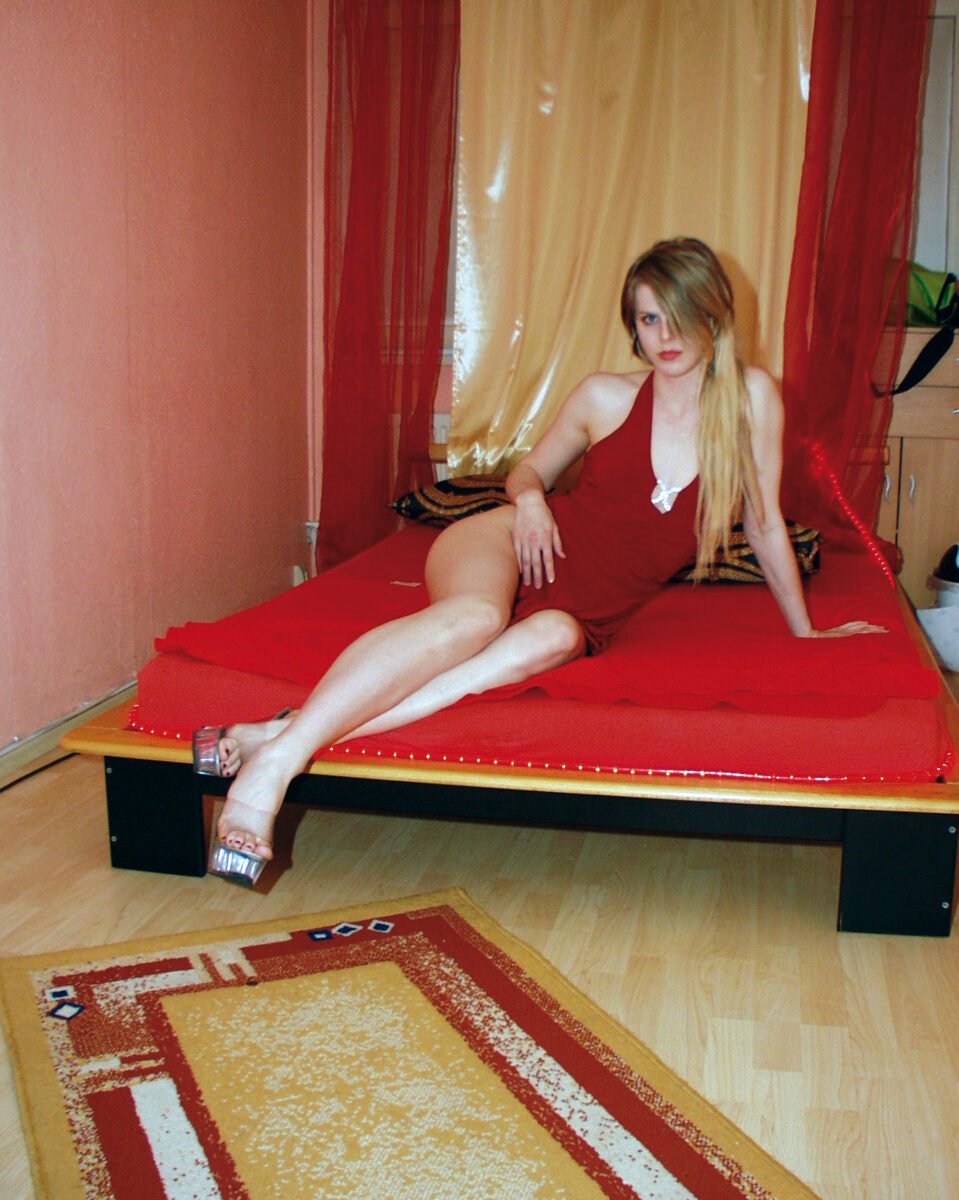
The changing physical environment of prostitution is an obvious starting point. One scene might depict the interior of an 1890s hessian tent (through which enterprising policemen could poke spyholes in their quest for conclusive evidence of commercial sex), equipped with a wooden box on top of which washbowls contain water costing almost as much as a 'short-time' with the tent's occupant. Next to the basin, a handful of metal tokens struck with the silhouette of a young woman on one side and a name and address on the other. The only other furniture is an iron bedstead, above which is pinned a medical certificate signed by the local doctor proclaiming the prostitute (a young French woman) free of venereal diseases. Draped across the end of the bed, a collection of lacy underwear, silk stockings, high-buttoned boots and brightly coloured clothing. Moving forward in time, the next scene might contain an interior of a weatherboard and iron house, 1920s. Cleanly but basically furnished, it has a basin with cold running water in the corner. Through the door a bathroom, with chip heater, is visible. On the dressing table lies an Italian newspaper left behind by the last client. The final scene shows a street view of the same room in the 1970s, framed by a car window. The top half of the door opens independently of the bottom (in the manner of a horse stabledoor) to reveal a scantily clad woman sitting inside, lit by coloured lights. In the background the watchful eye of an older woman, expensively dressed and bejewelled, surveys the prostitute and the onlooker.