Menses and Sexuality

Higienos priemonių pasirinkimas – kokias kada naudoti? Intymios higienos svarba moterims. Intymios higienos prausikliai. Įklotai. Paketai. Menstruacinės taurelės.

The phases of the moon affect the ebb and flow of the tides on mother earth. The moon also affects our tides as well. The gravitational pull of the moon effects all bodies of water, including our own complex body systems primarily made up of water. Most commonly, women tend to ovulate around the time of the new moon and begin menstruating at the full moon. Many cultures throughout time have referred to a woman's menses as her "moon time." From ancient times people recognized the connection of the moons cyclic nature with the cyclic nature of women's menstrual cycles. Mensa was the Roman goddess of measurement, numbers, calendars and record keeping. Many creation myths follow the familiar theme that said man was made from the combination of earth and the moon, which was the source of menstrual blood. The Greeks, Hindus, Romans, Nordic, Celtic, Egyptian, Arabic, Chinese, and aboriginal Australians all had creation myths recognizing the mysterious and sacred nature of the moon's cycle and menstrual blood-flow. Most cultures around the world recognize the strong intuitive and sexual powers that accompany a woman during the luteal phase of a woman's menstrual cycle. The luteal phase is the time from ovulation until the onset of menstruation. Generally women are thought to be more in tune with their intuition and more in tune with their feelings while ovulating. Studies have also shown that women remember their dreams more frequently and that they dream more vividly during ovulation and menstruation.
Knowing your menstrual cycle — Physical changes to look for

Kokius negalavimus gali sukelti netinkami įklotai? Į ką reikėtų atkreipti dėmesį, renkantis higieninius paketus menstruacijoms ir įklotus, skirtus kasdienai?

Counting the days of your cycle can tell you how long your cycles are and whether or not they are regular, but the most reliable way to monitor changes in your fertility is by paying attention to clues from your body. Changes in your cervical mucus, basal body temperature and the position of your cervix can help you follow your cycle from start to finish. Some women chart all of these changes carefully to either increase or reduce their chances of becoming pregnant. Some women follow their cycles to know when to expect their periods, or to feel more in tune with their bodies. Mucus from your cervix changes throughout your cycle in response to hormonal changes. It’s a good marker of where you are in your cycle and checking your cervical mucus is quick, easy and reliable. Some women produce more mucus than others and may be able to see the mucus in their underwear. Others may need to feel the entrance of their vagina for it – use your fingertips or toilet paper. You can check your mucus at any time during the day. At the beginning of your cycle, when oestrogen levels are low, you won’t have much mucus at all. This dryness means you are relatively infertile. This is usually just after your period, but if you have a short cycle, it may be at the same time as your period and therefore difficult to monitor.

Knowing Your Menstrual Cycle

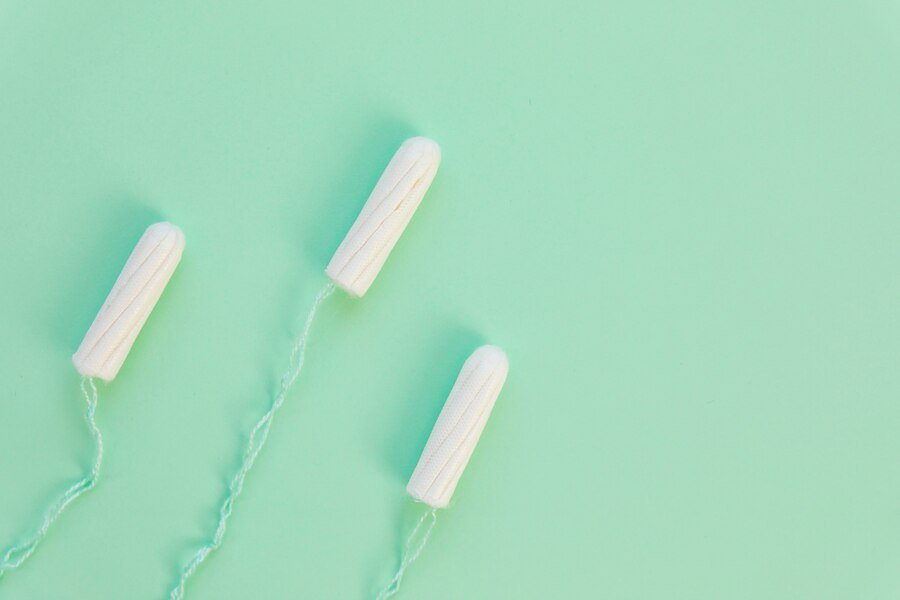
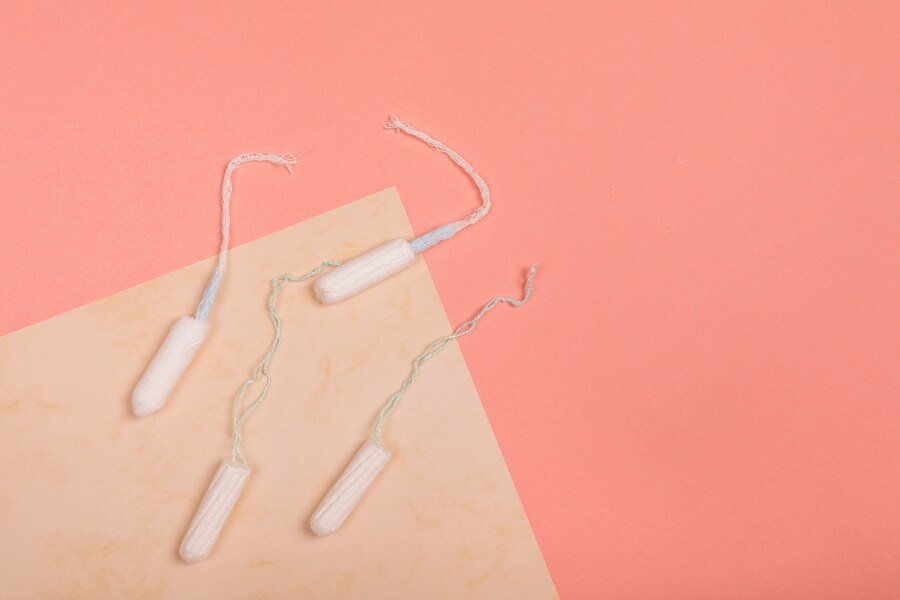
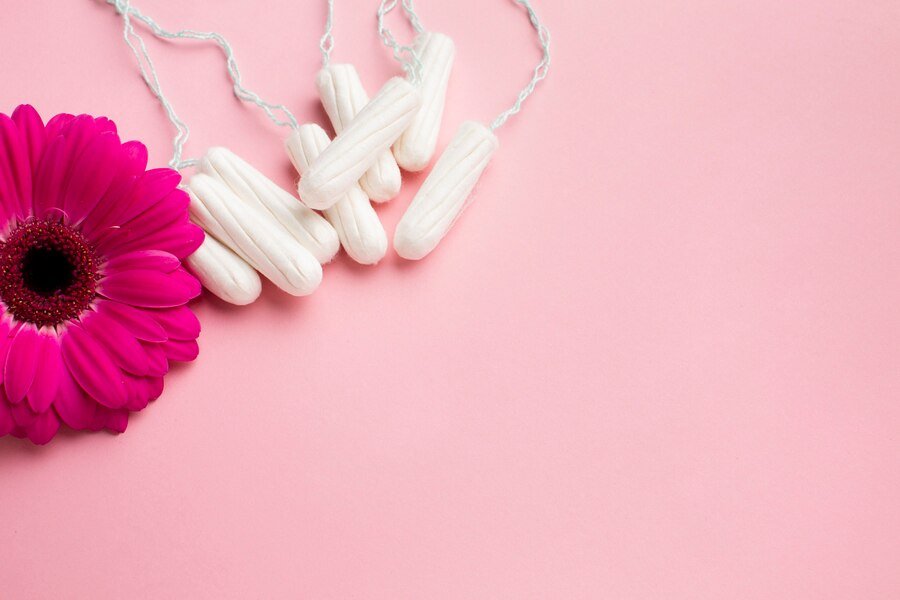
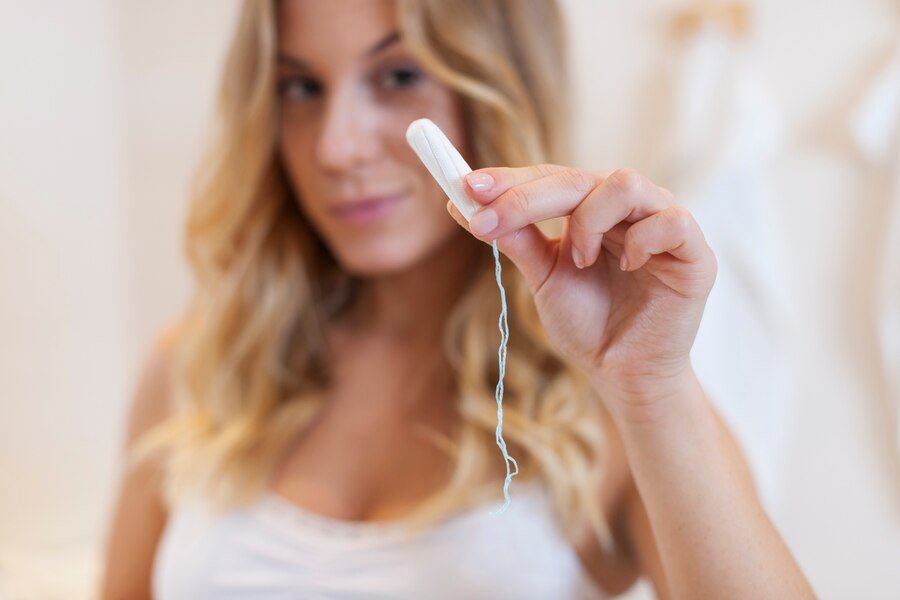
Tamponų naudojimo privalumai ir trūkumai arba kaip teisingai jį įsidėti. Daugelis moterų pasaulyje naudoja šiuos mažyčius „kištukus“ mėnesinių metu. Kas iš tikrųjų slypi už tamponų funkcionalumo?

A woman’s menstrual cycle may be long, short, predictable or unpredictable. It may change from month to month and over the years, or it may stay pretty much the same. What is normal for one woman is not necessarily normal for another. But there are key changes in every woman’s cycle that can help you get to know what is normal for you. Whether you simply want to know more about your body, are trying to increase your chances of getting pregnant or want to avoid pregnancy, these information pages explain how the menstrual cycle works and what you can do to get to know yours better. Periods are a normal part of a woman’s life from around the age of 10-14 until about 50. This regular (or not so regular) bleeding is the most noticeable sign of a woman’s menstrual cycle, but it is not the only sign. Getting to know the other, less obvious signs of your cycle can help you become more familiar with your own changing levels of fertility. The length of a woman’s menstrual cycle is calculated by the number of days between one period and the next. A cycle begins on the first day of bleeding and continues up to, but not including, the first day of the next period. Women’s cycles range from 21 to 40 days or more, with an average of around 28 days. The length of a woman’s cycle may change a little or a lot from month to month.

Knowing your menstrual cycle — Calculating your fertility

Išmesk higieninės servetėlės, higieninius paketus ar tamponus ir jų pakuotes ATSAKINGAI! Naujas produktų ženklinimas. Ar žinai apie šį ženklinimą?Tvarumas ir ekologija.

The calendar calculation method is a simple, though not very reliable, way to estimate when you are likely to be most fertile. To use this method, count the days of your cycle for at least 6 months. Subtract 20 from the length of your shortest cycle to estimate the first day of your fertile window. Then subtract 10 from your longest cycle to estimate the last day of your fertile window. There are fertility monitoring kits on the market that may be useful in helping to identify the fertile and infertile days of your cycle. These devices tend to be expensive and some women find them difficult to read. But for women who want to gather as much information as possible (whether to get pregnant or avoid getting pregnant) or for women who find it uncomfortable to check their cervix or cervical mucus, these kits may be helpful. Hormone monitoring devices measure hormone levels in urine to predict ovulation and determine which days you are likely to be fertile. The kit stores this information and builds up a record, or profile, of your personal cycles. The data is then used to help predict fertility.

Knowing your menstrual cycle — Special circumstances

5 dažniausiai užduodami klausimai apie higieninius paketus ir tamponus. Ar tradicinio storio higieninis paketas sugeria geriau nei plonas? Ar tamponus reikėtų keisti dažniau nei higieninius paketus?

After pregnancy or breastfeeding – After pregnancy, a woman’s body produces high levels of prolactin – a hormone that helps to produce breast milk. Prolactin also keeps oestrogen levels low which results in a woman’s menstrual cycle being put on hold. It generally takes about four weeks for a woman’s cycle to return after giving birth, but if she breastfeeds, it may be considerably longer. Note: After pregnancy, about 50% of women ovulate before their periods return. This means they may be fertile again before they know it. The cervix takes about 12 weeks to heal after childbirth and won’t feel the same as it did before pregnancy. Your cervix may feel harder and it probably won’t close as fully as it did before birth. Cervical changes will still occur, however, and can be used in monitoring your cycle after pregnancy. Basal body temperature may also be disrupted following pregnancy, particularly if you are breastfeeding. At first there may be more changes in your temperature, and your readings may be lower than they were before pregnancy, but there will still be a distinct rise when you ovulate.

A study on menstrual hygiene among rural adolescent girls

Tamponai ir moters sveikata. Tamponuose esančios pavojingos cheminės medžiagos gali kelti pavojų moters sveikatai. Labai pavojinga komplikacija. Negalavimai, kuriuos sukelia netinkami tamponai.

Menstruation is a phenomenon unique to the females. It is clear from the study findings that majority of the girls were having correct knowledge about menstruation. Regarding the practices, only 10 girls were using boiled, and dried cloth as menstrual absorbent. Though almost all 64 girls received advice regarding menstrual hygiene from different sources, some of their practices were unhygienic. This shows that the mothers of these girls were lacking of right knowledge and the same thing was transferred to their off springs. Before bringing any change in menstrual practices they should be educated about the facts of menstruation and its physiological implications. The girls should be educated about the significance of menstruation and development of secondary sexual characteristics, selection of a sanitary menstrual absorbent and its proper disposal. This can be achieved through educational television programmes, school nurses/Health personnel, compulsory sex education in school curriculum and knowledgeable parents, so that she does not develop psychological upset and the received education would indirectly wipe away the age old wrong ideas and make her to feel free to discuss menstrual matters without any inhibitions.

Menstrual Hygiene

Ar baigiasi tamponų galiojimo laikas? Ką reikia žinoti? Skaitykite toliau, kad sužinotumėte daugiau apie tai, kiek laiko galioja tamponai, kaip atpažinti pasibaigusį tamponą ir dar daugiau.

No woman feels completely comfortable when she has her period. If it is not pre menstrual tension or stomach cramps it is the problem of dealing with the menstrual flow. Technology offers sanitary pads, tampons or menstrual cups or caps to deal with the flow. The user has to decide what suits her best. Absorbent pads may be noticeable in form fitting clothes. They cause some soreness on the inner thighs. Some women prefer tampon to external pads. A plug of absorbent cotton or gauze is inserted inside. But these should not be left unchanged beyond six hours. Some brands state that tampons left unchanged for more than 12-18 hours increases the possibility of toxic shock. It is not clear what causes toxic shock. But there seems to be a link between tampons and Toxic Shock Syndrome (TSS). Approximately 1% of all menstruating women carry the bacteria in question (Staphylococcus aureus) in their vagina. Absorbent tampons provide the medium for them to grow and spread infection.

Period Protection Choosing Your Best Menstrual Hygiene Product

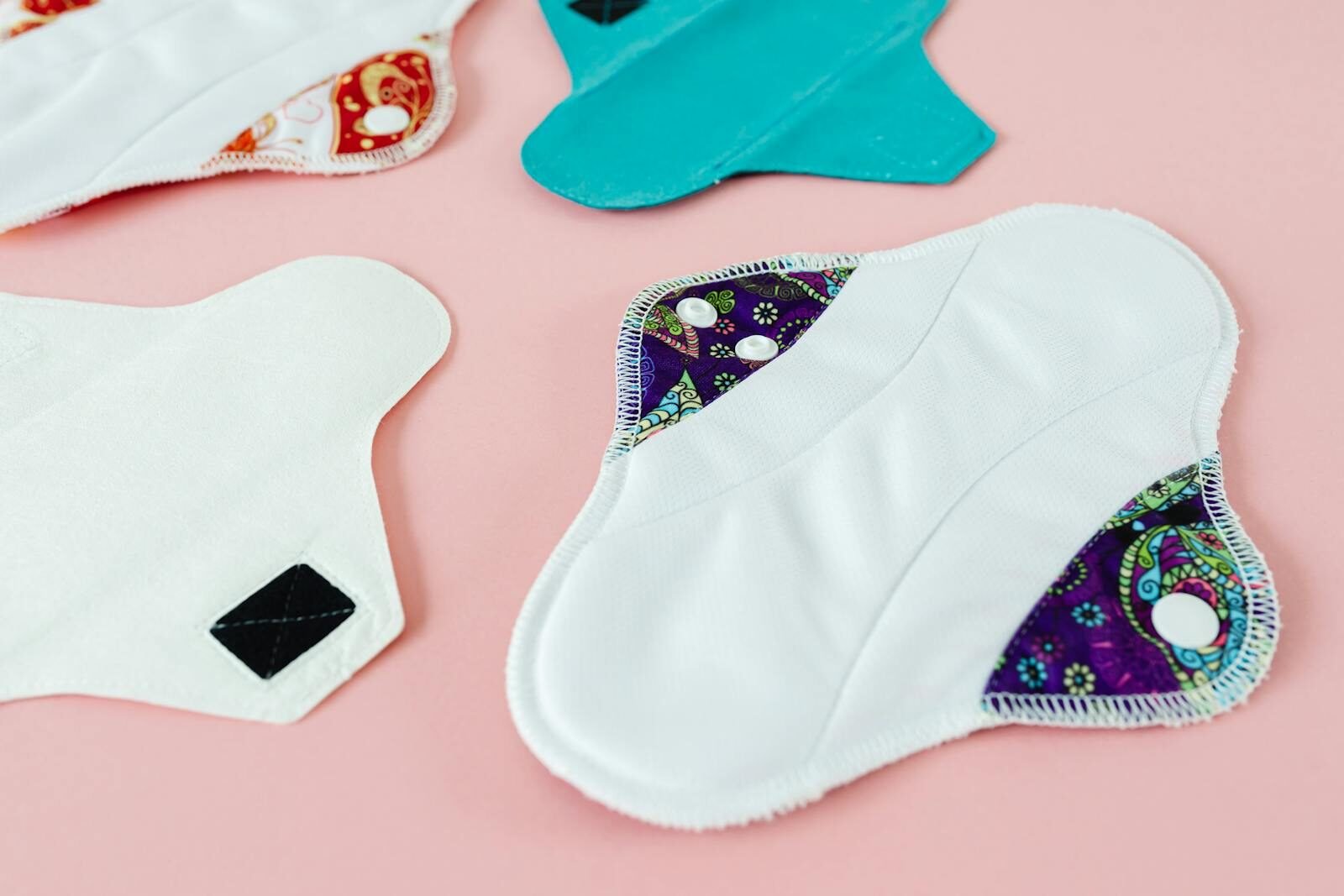
Close-up of colorful reusable menstrual pads on a pink surface, promoting eco-friendly menstruation solutions.

The Keeper is a reusable menstrual cup currently on the market. It is made of natural rubber and can be used for up to ten years. It's a great choice for women who are concerned about the affect the environment may have on disposable types of period protection products. The Keeper holds up to one ounce of menstrual fluid and is simply washed out each time it is full and reinserted, or saved for your next period. The Keeper currently sells for $35 US which can equal a significant savings overtime. The first and only disposable menstrual cup currently on the market is the The INSTEAD SoftCup. It is made from a nonabsorbent, non irritating thermoplastic material that conforms to your shape to prevent leakage. Instead can be worn for up to 12 hours. My personal experience: Instead is unbelievably comfortable, I could almost forget I was on my period. Although the company claims it is easy to insert and remove, I found removal could be difficult and messy--otherwise I thought it was a wonderful product. Instead is available on their website, as well as from stores throughout the U.S. and Canada. Sanitary protection pads have been around in one form or another for as long as women have had periods. Until 1921, when Kotex pads were introduced on the market, women often used cotton rags or knitted, washable menstrual pads like these 19th Century Norwegian menstrual pads on display at the Museum of Menstruation.

The menstrual cycle

Toksinio šoko sindromas – labai rimta liga! Kažkada žurnale „Cosmopolitan“ teko skaityti merginos, vardu Kristina, bauginančią istoriją, kaip tamponas jos vos nepražudė.

Menstruation is a very complicated process involving many different hormones, the woman's sex organs and the brain. A woman's internal sex organs consist of two ovaries, the Fallopian tubes, the uterus (womb) and the vagina. The ovaries contain the eggs with which the woman is born and, during each period, a single egg will usually ripen and mature due to the action of hormones circulating in the bloodstream. When the egg is mature it bursts from the ovary and drifts through the Fallopian tube down into the uterus. The lining of the uterus - the endometrium - has been thickened by the action of hormones and made ready to receive the fertilised egg. If the egg is fertilized and the woman becomes pregnant, it will fasten itself onto the endometrium. If the egg is not fertilized, however, resultant hormonal changes cause the endometrium to slip away and menstruation begins. Menstrual discharge is composed of the endometrium itself, together with a little fresh blood caused by the breaking of very fine blood vessels within the endometrium as it detaches itself from the inside of the uterus.

How Modern Life and Other Things Affect the Normal Menstrual Rhythm

29 neįprasti būdai moterims masturbuotis rankomis, sekso žaislais ir daiktais. Kaip glamonėti save rankomis. Mėgstamiausios vandens procedūros. Daržovės ir vaisiai. Buitiniai ir vibro daikčiukai.

The perfect system is besieged from all sides by weight, exercise, behavior, drugs, and less than optimal circadian rhythms in today's after-work "second day" of nighttime entertainment. It used to be that when dawn arrived, the men would go off to the hunt while the women tended to the children. When the men arrived that evening with the food, the women prepared it, all ate, and then all fell asleep, exhausted. It was work all day and sleep all night. Even with the advent of farming, the work and daily activities were by the light of the sun, and at night everyone slept. Today there are over a hundred cable channels, bars open till two, late movies, late dinners, dancing, hanging out-all of the modern entertainment obligations if we want to lead a "full" life. Unfortunately, we one-life humans try to lead a two-life existence on one circadian rhythm. Our hormones, meanwhile, still adjusted to hunting wild boars by day and sleeping by night, carry on as best as they can. The hormones of yesteryear think the lifestyle of today is crazy. But being human does have its advantages. We do in fact have a great big brain that allows something the other animals don't have-flexibility. When life becomes more complicated, we adjust because we can. The bedlam of hormonal mismatches isn't all that mismatched after all. We do get along fairly well, even trying to cram two lives into one.