Intimate Hygiene – Intimate hygiene is an important part of personal care, comfort, and everyday wellbeing for adults. A gentle and consistent routine can help keep the external genital area clean while protecting its natural balance. Learn about suitable washing methods, breathable underwear, and habits that support intimate comfort. The genital area is sensitive, so mild, fragrance-free products are generally preferable to harsh soaps and perfumed sprays. For people with a vagina, the vagina cleans itself naturally, and internal douching is usually unnecessary. External areas should be washed gently without excessive scrubbing or irritating products. Men can also benefit from regular gentle cleaning of the penis and surrounding skin, including beneath the foreskin when present. Clean, dry clothing can help reduce moisture and discomfort during daily activities. Everyone's body is different, and intimate care routines may need to change with age, activity, or individual needs. Discover practical guidance for maintaining intimate hygiene without disrupting the body's natural protective functions.
Pubic hair shave is not a taboo any more. It seems like all women are shaving pubic hair. It is not an unusual phenomenon which is attributed only to models and athletes any more. Find out why pubic hair shave is so popular and what the hot pubic hair shave fashion is nowadays. There are two trends that are definitely the most popular of all pubic female shaving styles. The first one is the Brazilian Bikini wax. In this pubic hair shaving method all the pubic hair is being shaved. It is recommended to have a professional to Brazilian Bikini waxing you. You could find a Brazilian Bikini Wax in any big city. Gwyneth Platrow and Naomi Campbell have done it. What about you? The second hot pubic hair shaving trend is the different pubic hair cuts. A few samples would be the star, the arrow, the heart, the butterfly or the traditional downward or upward triangle. Many women make a pleasant surprise for their boy friend / husband with a new pubic haircut each time. You are welcome to join the club of pubic hair shaving.
The phases of the moon affect the ebb and flow of the tides on mother earth. The moon also affects our tides as well. The gravitational pull of the moon effects all bodies of water, including our own complex body systems primarily made up of water. Most commonly, women tend to ovulate around the time of the new moon and begin menstruating at the full moon. Many cultures throughout time have referred to a woman's menses as her "moon time." From ancient times people recognized the connection of the moons cyclic nature with the cyclic nature of women's menstrual cycles. Mensa was the Roman goddess of measurement, numbers, calendars and record keeping. Many creation myths follow the familiar theme that said man was made from the combination of earth and the moon, which was the source of menstrual blood. The Greeks, Hindus, Romans, Nordic, Celtic, Egyptian, Arabic, Chinese, and aboriginal Australians all had creation myths recognizing the mysterious and sacred nature of the moon's cycle and menstrual blood-flow. Most cultures around the world recognize the strong intuitive and sexual powers that accompany a woman during the luteal phase of a woman's menstrual cycle. The luteal phase is the time from ovulation until the onset of menstruation. Generally women are thought to be more in tune with their intuition and more in tune with their feelings while ovulating. Studies have also shown that women remember their dreams more frequently and that they dream more vividly during ovulation and menstruation.
Counting the days of your cycle can tell you how long your cycles are and whether or not they are regular, but the most reliable way to monitor changes in your fertility is by paying attention to clues from your body. Changes in your cervical mucus, basal body temperature and the position of your cervix can help you follow your cycle from start to finish. Some women chart all of these changes carefully to either increase or reduce their chances of becoming pregnant. Some women follow their cycles to know when to expect their periods, or to feel more in tune with their bodies. Mucus from your cervix changes throughout your cycle in response to hormonal changes. It’s a good marker of where you are in your cycle and checking your cervical mucus is quick, easy and reliable. Some women produce more mucus than others and may be able to see the mucus in their underwear. Others may need to feel the entrance of their vagina for it – use your fingertips or toilet paper. You can check your mucus at any time during the day. At the beginning of your cycle, when oestrogen levels are low, you won’t have much mucus at all. This dryness means you are relatively infertile. This is usually just after your period, but if you have a short cycle, it may be at the same time as your period and therefore difficult to monitor.
A woman’s menstrual cycle may be long, short, predictable or unpredictable. It may change from month to month and over the years, or it may stay pretty much the same. What is normal for one woman is not necessarily normal for another. But there are key changes in every woman’s cycle that can help you get to know what is normal for you. Whether you simply want to know more about your body, are trying to increase your chances of getting pregnant or want to avoid pregnancy, these information pages explain how the menstrual cycle works and what you can do to get to know yours better. Periods are a normal part of a woman’s life from around the age of 10-14 until about 50. This regular (or not so regular) bleeding is the most noticeable sign of a woman’s menstrual cycle, but it is not the only sign. Getting to know the other, less obvious signs of your cycle can help you become more familiar with your own changing levels of fertility. The length of a woman’s menstrual cycle is calculated by the number of days between one period and the next. A cycle begins on the first day of bleeding and continues up to, but not including, the first day of the next period. Women’s cycles range from 21 to 40 days or more, with an average of around 28 days. The length of a woman’s cycle may change a little or a lot from month to month.
The calendar calculation method is a simple, though not very reliable, way to estimate when you are likely to be most fertile. To use this method, count the days of your cycle for at least 6 months. Subtract 20 from the length of your shortest cycle to estimate the first day of your fertile window. Then subtract 10 from your longest cycle to estimate the last day of your fertile window. There are fertility monitoring kits on the market that may be useful in helping to identify the fertile and infertile days of your cycle. These devices tend to be expensive and some women find them difficult to read. But for women who want to gather as much information as possible (whether to get pregnant or avoid getting pregnant) or for women who find it uncomfortable to check their cervix or cervical mucus, these kits may be helpful. Hormone monitoring devices measure hormone levels in urine to predict ovulation and determine which days you are likely to be fertile. The kit stores this information and builds up a record, or profile, of your personal cycles. The data is then used to help predict fertility.
After pregnancy or breastfeeding – After pregnancy, a woman’s body produces high levels of prolactin – a hormone that helps to produce breast milk. Prolactin also keeps oestrogen levels low which results in a woman’s menstrual cycle being put on hold. It generally takes about four weeks for a woman’s cycle to return after giving birth, but if she breastfeeds, it may be considerably longer. Note: After pregnancy, about 50% of women ovulate before their periods return. This means they may be fertile again before they know it. The cervix takes about 12 weeks to heal after childbirth and won’t feel the same as it did before pregnancy. Your cervix may feel harder and it probably won’t close as fully as it did before birth. Cervical changes will still occur, however, and can be used in monitoring your cycle after pregnancy. Basal body temperature may also be disrupted following pregnancy, particularly if you are breastfeeding. At first there may be more changes in your temperature, and your readings may be lower than they were before pregnancy, but there will still be a distinct rise when you ovulate.
Menstruation is a phenomenon unique to the females. It is clear from the study findings that majority of the girls were having correct knowledge about menstruation. Regarding the practices, only 10 girls were using boiled, and dried cloth as menstrual absorbent. Though almost all 64 girls received advice regarding menstrual hygiene from different sources, some of their practices were unhygienic. This shows that the mothers of these girls were lacking of right knowledge and the same thing was transferred to their off springs. Before bringing any change in menstrual practices they should be educated about the facts of menstruation and its physiological implications. The girls should be educated about the significance of menstruation and development of secondary sexual characteristics, selection of a sanitary menstrual absorbent and its proper disposal. This can be achieved through educational television programmes, school nurses/Health personnel, compulsory sex education in school curriculum and knowledgeable parents, so that she does not develop psychological upset and the received education would indirectly wipe away the age old wrong ideas and make her to feel free to discuss menstrual matters without any inhibitions.
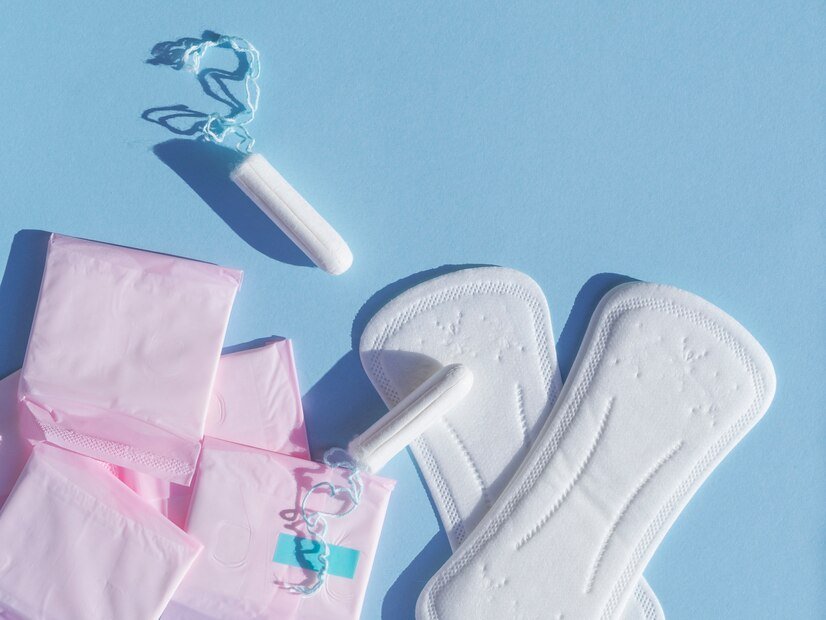
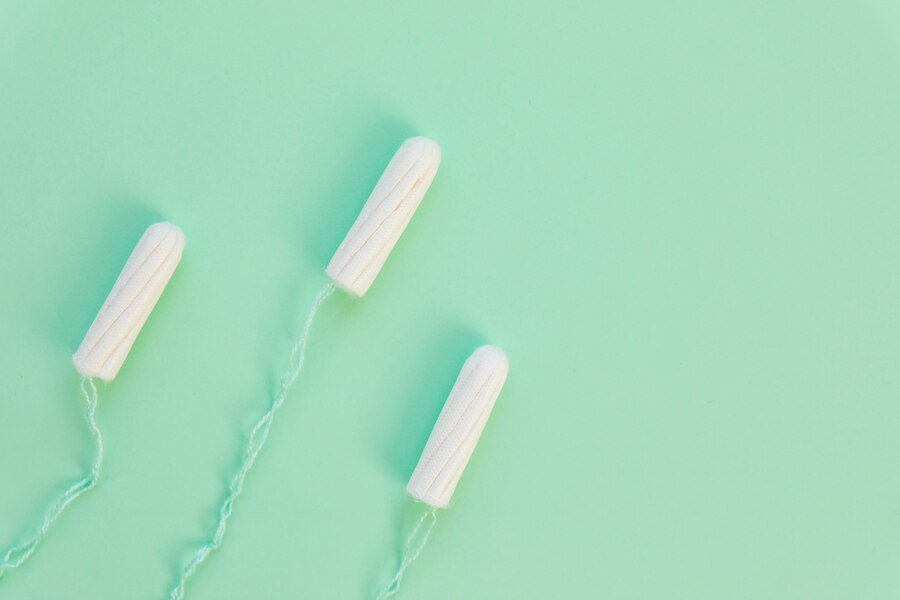
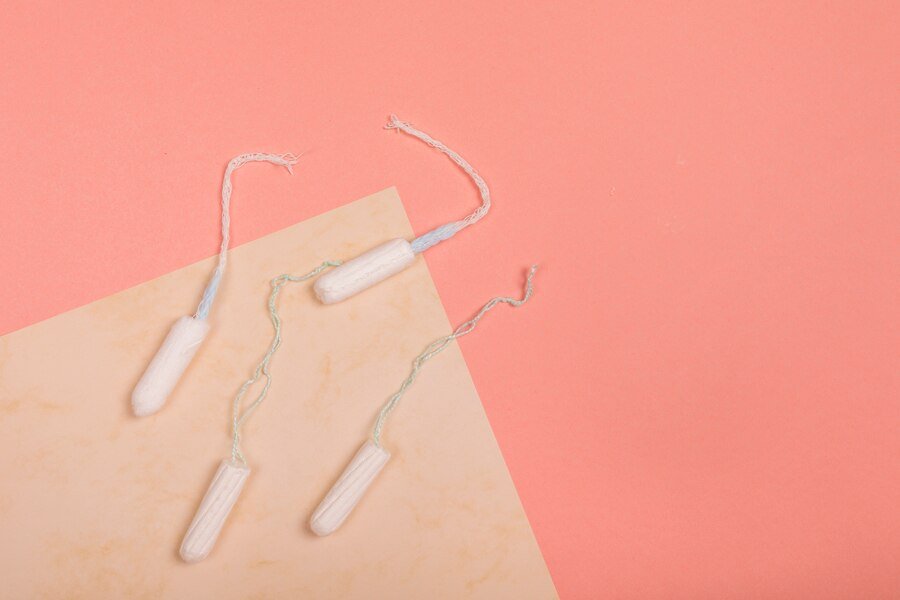
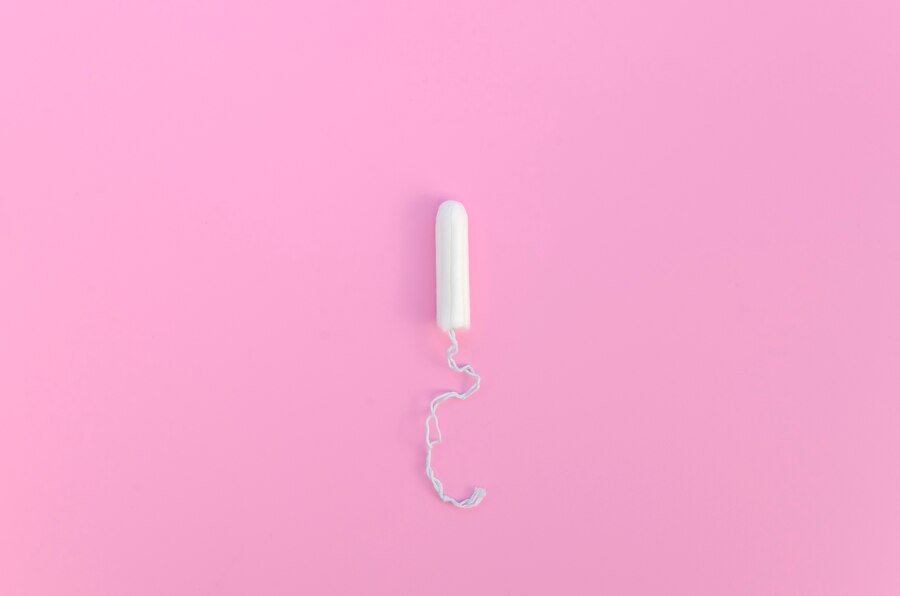
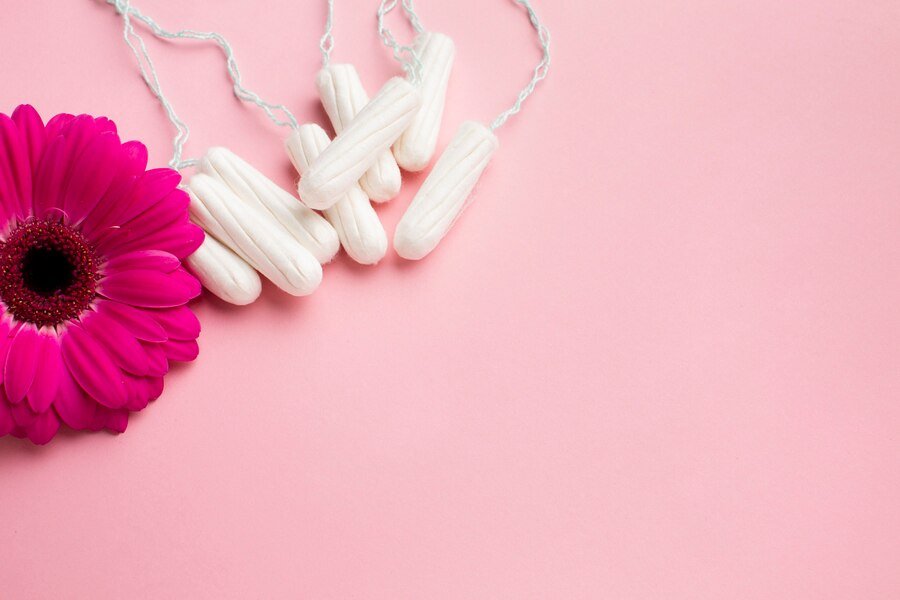
No woman feels completely comfortable when she has her period. If it is not pre menstrual tension or stomach cramps it is the problem of dealing with the menstrual flow. Technology offers sanitary pads, tampons or menstrual cups or caps to deal with the flow. The user has to decide what suits her best. Absorbent pads may be noticeable in form fitting clothes. They cause some soreness on the inner thighs. Some women prefer tampon to external pads. A plug of absorbent cotton or gauze is inserted inside. But these should not be left unchanged beyond six hours. Some brands state that tampons left unchanged for more than 12-18 hours increases the possibility of toxic shock. It is not clear what causes toxic shock. But there seems to be a link between tampons and Toxic Shock Syndrome (TSS). Approximately 1% of all menstruating women carry the bacteria in question (Staphylococcus aureus) in their vagina. Absorbent tampons provide the medium for them to grow and spread infection.
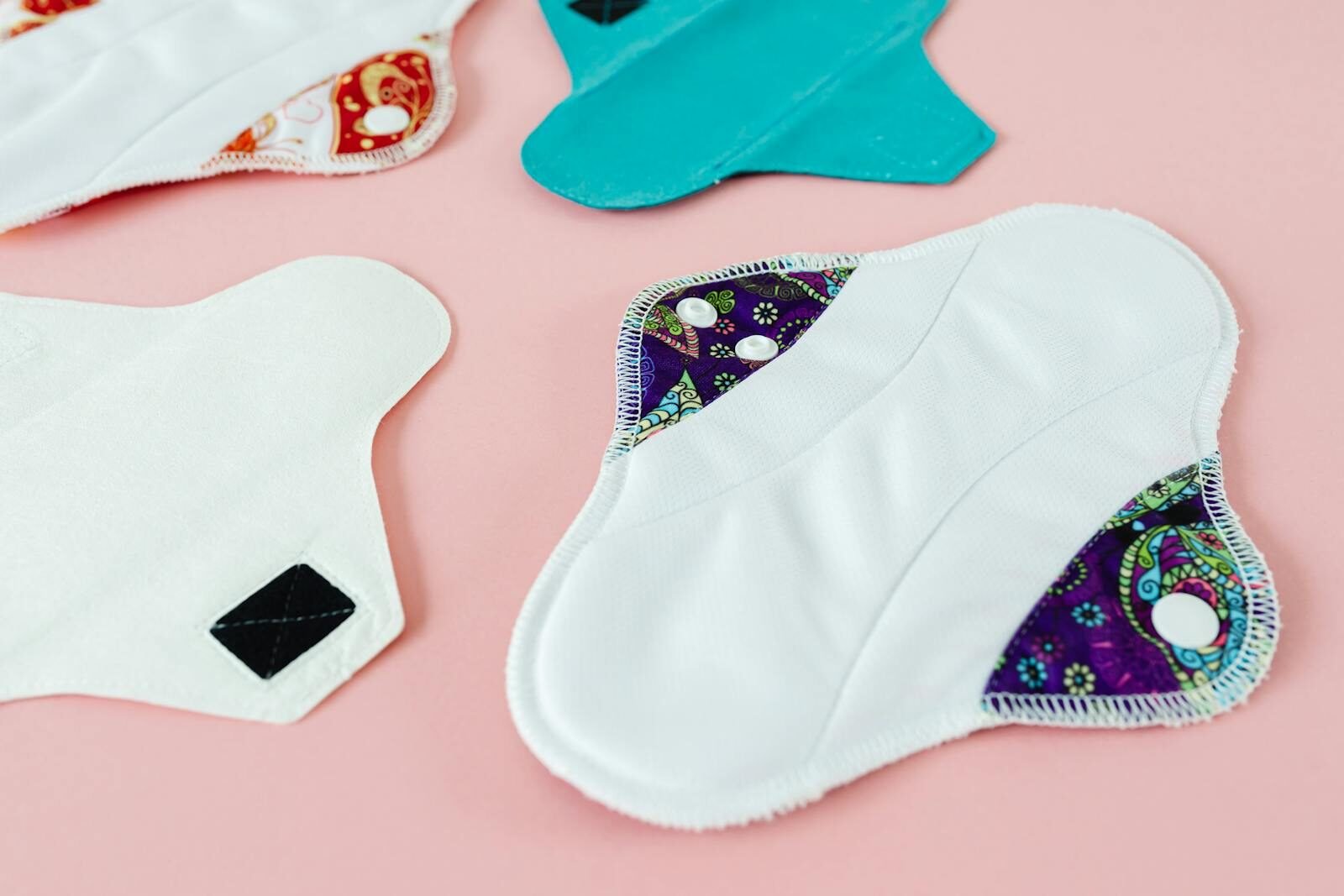
The Keeper is a reusable menstrual cup currently on the market. It is made of natural rubber and can be used for up to ten years. It's a great choice for women who are concerned about the affect the environment may have on disposable types of period protection products. The Keeper holds up to one ounce of menstrual fluid and is simply washed out each time it is full and reinserted, or saved for your next period. The Keeper currently sells for $35 US which can equal a significant savings overtime. The first and only disposable menstrual cup currently on the market is the The INSTEAD SoftCup. It is made from a nonabsorbent, non irritating thermoplastic material that conforms to your shape to prevent leakage. Instead can be worn for up to 12 hours. My personal experience: Instead is unbelievably comfortable, I could almost forget I was on my period. Although the company claims it is easy to insert and remove, I found removal could be difficult and messy--otherwise I thought it was a wonderful product. Instead is available on their website, as well as from stores throughout the U.S. and Canada. Sanitary protection pads have been around in one form or another for as long as women have had periods. Until 1921, when Kotex pads were introduced on the market, women often used cotton rags or knitted, washable menstrual pads like these 19th Century Norwegian menstrual pads on display at the Museum of Menstruation.
Shaving part of all of your pubic hair has been practised for centuries. There are records of pubic hair fashion dating from the mid nineteenth century of photography, in those rare few archive photos that show full frontal nudity the amount of pubic hair varies from full to none. Since around the 1980’s porn films have moved away from the “bushy nympho” trend of long, thick pubes to variable amounts of well groomed, to totally bare genitals. It’s becoming a really popular trend and it is now commonplace for a huge majority of women – and men – to remove some or all of their pubic hair. We’ve gathered some good tips for more effective, safer pubic hair shaving and removal – hope you gain some benefits and enjoyment from this article. If you have long pubic hairs it’s well worth trimming to begin with, using small, non pointy scissors which are safer. It can be a little awkward to see what you’re doing here, and you’ll find that a movable mirror will help you along. Tip! Taking a warm bath or shower beforehand to help open your pores and get a closer shave.
Shaving your pubic hair is as safe as shaving any other body part. Plus, going bare down there has certain pluses: You're more sensitive to stimulation, and the feel ‑- not to mention the sight ‑- of a manicured mane can send a guy's libido skyrocketing. Whether you do the shaving solo or make it part of foreplay and have your man help you defuzz, take it slow so you don't nick the sensitive skin. Before you start to shave, trim the hair with a manicuring scissor. Next, take a warm bath or shower to soften the remaining pubes so they are easier to remove. (Covering the area for a few minutes with a warm, wet washcloth will also do the trick.) Then, smear on some shaving gel or lotion, but be careful not to get any inside your vagina. When you're ready to start shaving, get into a comfortable position. You can lie on a towel with your legs spread if your guy is helping you out; otherwise, stand in the shower with one leg on the edge of the tub. Make sure you use a new, i.e., sharp, razor and hold the area taut with the hand you don't use to shave so the razor can glide easily. If you have sensitive skin, you'll lower the chances of getting ingrown hairs or razor bumps if you shave in the direction that the hair grows.
Today, a woman shaving her pubic hair for fashion is not limited to just those "coiffed" women in adult magazines, exotic dancers or porno stars, but includes the everyday woman. There's no denying that these women in adult magazines, exotic dancers and porno stars were the fore runners of a woman shaving pubic hair fashions. There's also no denying that men saw what these women were doing and started suggesting their women partners do likewise. But many a woman was unwilling to start shaving their pubic hair into any fashion because she felt she would be just like one of those women in adult magazines, exotic dancers or porno stars. And, considering a female's upbringing under the moral majority of western society in the most recent decades, there was just something wrong about this. But today, some of the most popular pubic hair shaving fashions for a woman have been perpetrated by high fashion models, movie and television stars. And the everyday woman has taken her cue from them. And she's learned a few important things along the way.
Good intimate hygiene also involves recognising changes in the body and knowing when to seek professional advice. Persistent itching, unusual discharge, strong unfamiliar odours, sores, or pain may require assessment by a healthcare professional. Washing too frequently or using scented products can sometimes cause irritation rather than improve cleanliness. After exercise or swimming, changing out of damp clothing can help maintain comfort. During menstruation, sanitary products should be changed according to their instructions and individual needs. Before and after sexual activity, gentle external cleaning and appropriate protection can support personal comfort and sexual health. Avoid sharing personal grooming items, towels, or other objects that may transfer infections. Intimate hair removal is optional, and natural pubic hair does not mean a person is unclean. Certain life stages, medications, and health conditions can affect intimate skin and its needs. Reliable hygiene advice should prioritise comfort, evidence-based care, and respect for each person's body.